The 661-Year Chronological Problem
By Vedveer Arya
Could a 661-year displacement have reshaped our understanding of ancient Indian and world history?
Vedveer Arya's research: ask an AI that answers from his work, read a selection of his findings as Fact Cards, or check the evidence for yourself.Vedveer Arya's research: ask about it, read it card by card, check its evidence.
To ask, create a free account (15 questions a week, up to 60 a month) or sign in.
The argument
The unresolved 661-year problem since 1772
In 1772, Joseph de Guignes identified Sandrokottus with Chandragupta and, using the date of Alexander's invasion, placed his accession in 303 BCE. In 1793, William Jones reinforced this identification with Chandragupta Maurya and founded the conventional chronology that dates the beginning of the Gupta dynasty to 319 CE, rejecting the traditional date of the Guptas around 334 BCE.
Could the problem also lie in the conflation of two distinct Śaka-era epochs—583 BCE and 78 CE? Vedveer Arya argues that confusing these two eras introduced a chronological displacement of 661 years, bringing conventional historical dates into conflict with traditional Indian chronology.
Did this conflation displace Indian history by 661 years? More than 250 years later, this fundamental chronological question remains unresolved.
What the traditions record
Indian chronological traditions preserve timelines that challenge the dates generally accepted by modern historians. The Matsya Purāṇa (Chapter 273) records chronological intervals linking the birth of Parīkṣit, the rise of the Mahāpadma Nanda, and the beginning of the Āndhra (Śātavāhana) dynasty. The Saptarṣi calendrical tradition offers another chronological framework: the Saptarṣis remain associated with each nakṣatra for 100 years, completing a 2,700-year cycle across 27 nakṣatras. The cycle of 3176–3076 BCE was associated with Maghā during the Mahābhārata era.
Counting 2,700 years forward from 3176 BCE leads to 476 BCE. In the reconstruction proposed here, the subsequent Saptarṣi period, associated with Maghā, extends from 476 to 376 BCE and is linked to the Āndhra–Śātavāhana chronology.
3176–3076 BCEThe Saptarṣis in Maghā: the Mahābhārata era
2,700 years later
476–376 BCEIn Maghā again: the Āndhras
The implications extend far beyond the dating of a single dynasty.
A reconstruction based on epigraphic and literary evidence places the decline of the Śātavāhana kingdom and the beginning of the Gupta dynasty around 334 BCE—approximately 661 years earlier than the conventional placement of the early Guptas around 319 CE.
What could explain this difference?
Chronology AI by Vedveer Arya investigates the hypothesis that the displacement arose from the conflation of two distinct calendrical epochs: the Śaka era, proposed here as beginning in 583 BCE, and the Śakānta era, beginning in 78 CE. According to this interpretation, confusion between these chronological systems introduced a systematic error of 661 years into the accepted historical timeline.
The conventional dating of the Guptas rests on a substantial body of evidence, including inscriptions, coins, palaeography, and synchronisms with the Sasanians, Kidarites, and Huna rulers. The proposed reconstruction therefore raises a fundamental question: Do these sources establish the conventional absolute dates beyond doubt, or is there room to reassess the chronological framework in which they have been interpreted?
Through an integrated examination of inscriptions, numismatic evidence, literary traditions, Chinese Buddhist records, and palaeographic development, Chronology AI investigates the Gupta–Sasanian synchronism and the wider implications of the proposed revision.
If the Gupta dynasty began around 334 BCE rather than 319 CE, the implications would extend to the chronology of the Sasanians and other historically connected powers. The question would no longer concern India alone, but the foundations of ancient world chronology itself.
Can the accepted timeline withstand a rigorous re-examination of the evidence?
Explore the evidence. Revisit the dates. Rethink the chronology.
The 661 years, drawn to scale
- The Achaemenid kings
the conventional date, 538–331 BCE; the revised date, 1199–992 BCE - Alexander's campaigns
the conventional date, 331–323 BCE; the revised date, 992–983 BCE - Julius Caesar's death
the conventional date, 44 BCE; the revised date, 15 June 704 BCE - The birth of Jesus
the conventional date, 1 CE; the revised date, 6 January 660 BCE - The Sasanians
the conventional date, 139–632 CE; the revised date, 522–29 BCE - The Gupta era
the conventional date, 319 CE; the revised date, 334 BCE - The birth of Muhammad
the conventional date, 570 CE; the revised date, 100–99 BCE - Vijayanagara's founding
the conventional date, 1336 CE; the revised date, 8 April 675 CE
Revised chronologyConventional chronology
The Antiquity of Vedic Yuga Calendar
Around 13322 BCE Vedic astronomers began a five-year lunisolar Yuga calendar at the autumnal equinox, then in Aśvinī. Counted in cycles of 5, 20 and 1,000 years and reformed as precession moved the seasons, the same calendar runs through the seventh Mahāyuga of 7322 BCE to the 28th Kaliyuga of 3176 BCE.
The Manvantaras, 1,000 years each, from 13322 BCEThe Seventh, opened below
The Seventh Manvantara, 7322 BCE onwardsThe 7th Mahāyuga, the Vaivasvata Manvantara
11–27 Caturyugas228th Kṛta Yuga3Mayāsura's Sūrya Siddhānta, 22 February 6778 BCE4The Rāmāyaṇa Age, 5677–5577 BCE5The Mahābhārata War, 3162 BCE
11–27 Caturyugas228th Kṛta Yuga3Mayāsura's Sūrya Siddhānta, 22 February 6778 BCE428th Tretā Yuga5The Rāmāyaṇa Age, 5677–5577 BCE6The Mahābhārata War, 3162 BCE728th Kaliyuga
The Rāmāyaṇa Age, 5677–5577 BCEThe Mahābhārata War, 3162 BCE
| Cycle | Duration | Dates | Calendar |
|---|---|---|---|
| First Manvantara | 1,000 years | 13322–12322 BCE | Caitrādi Yuga calendar and autumnal equinox at Aries |
| Second Manvantara | 1,000 years | 12322–11322 BCE | |
| Third Manvantara | 1,000 years | 11322–10322 BCE | Phālgunādi Yuga calendar and Mṛgaśirādi list of 28 nakṣatras |
| Fourth Manvantara | 1,000 years | 10322–9322 BCE | |
| Fifth Manvantara | 1,000 years | 9322–8322 BCE | Māgha Śuklādi calendar and Kṛttikādi list of 28 nakṣatras |
| Sixth Manvantara | 1,000 years | 8322–7322 BCE | |
| Seventh Manvantara | 7322 BCE onwards | Māgha Śuklādi calendar and Aśvinyādi list of 27 nakṣatras | |
| 1–27 Caturyugas | 540 years | 7322–6782 BCE | |
| 28th Kṛta Yuga | 5 years | 6782–6777 BCE | Mayāsura's Sūrya Siddhānta, 22 February 6778 BCE |
| 28th Tretā Yuga | 1,200 years | 6777–5577 BCE | |
| 28th Dvāpara Yuga | 2,400 years | 5577–3176 BCE | |
| 28th Kaliyuga | 432,000 years | 3176 BCE onwards |
The six Manvantaras of 1,000 years and the Seventh's Yugas, with the calendar of each. After The Antiquity of Vedic Yuga Calendar; Indo-European Civilizations, Vol. 2, Table 12.7, pp. 81–82.
Fact CardIndia's Yuga calendar ran unbroken from 13322 BCE to the 28th KaliyugaThe argument in eight Fact Cards
The evidence behind the argument above.
-
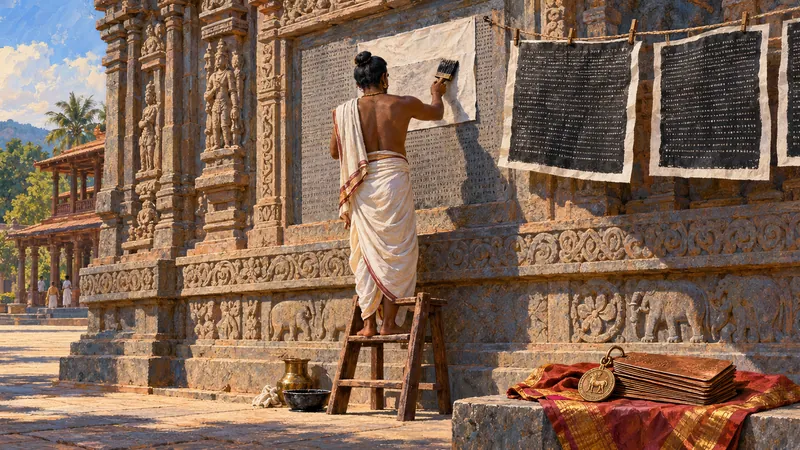
 975–925BCE
Sandrokottus was Chandragupta of the Chandra dynasty, not Chandragupta Maurya
The Indian king the Greeks called Sandrokottus, contemporary of Alexander and Seleucus, was Chandragupta of the Chandra dynasty, son of King Chandra (Xandremes), and he reigned 975–925 BCE. Chandragupta Maurya, with whom historians identify him, reigned 1596–1572 BCE. ThreadIndo-European Civilizations, Vol. 2 Alexander's Indian contemporary: Chandragupta of the Chandra dynasty (975–925 BCE), not Chandragupta Maurya -
 3162–89BCE
Magadha's dynasties from the Mahābhārata war (3162 BCE) to the end of the Guptas (89 BCE)
Magadha's dynasties, dated from the Purāṇas, the Buddhist and Jain chronicles and the inscriptions, run from the Bṛhadrathas after the Mahābhārata war (3162 BCE) to the end of the Guptas (89 BCE). Mahāpadma Nanda's coronation in 1664 BCE, Chandragupta Maurya's accession around 1596 BCE and the Gupta rule from 334 BCE are their fixed points. ChapterChronology of India, Vol. I From the Mahābhārata war to the Guptas: Mahāpadma Nanda crowned in 1664 BCE, Chandragupta Maurya about 1596 BCE, the Guptas from 334 BCE -
 476–376BCE
Saptarṣis returned to Maghā 476–376 BCE, under the Āndhras, 2,700 years after Parīkṣit
The Matsya Purāṇa says the Saptarṣis stood in Maghā in Parīkṣit's time and returned there 2,700 years later under the Āndhras. With the Maghā period of Parīkṣit's time at 3176–3076 BCE, the Āndhras' Maghā period is 476–376 BCE. FindingThe Gupta–Sasanian synchronism 476 to 376 BCE, under the Āndhras, 2,700 years after Parīkṣit -
, the conventional date: 319 CE334BCEThe Gupta era began in 334 BCE, not 319 CE
The Gupta era began in 334–333 BCE, not 319 CE: Chandragupta I founded Gupta rule as the Śātavāhana kingdom declined, and the Guptas ruled until 89 BCE. The era of 319 CE is the Valabhi era, begun when the Guptas had ceased to exist. ThreadChronology of India, Vol. I Not 319 CE: the eclipses and Jovian years in Gupta inscriptions give 334–333 BCE; 319 CE begins the Valabhi era -
 583BCE and 78CE
Two Śaka eras: the Śaka era of 583 BCE and the Śakānta era of 78 CE
India had two eras called Śaka: the Śaka era, counted from the coronation of the Śaka king of Ujjain in 583 BCE, and the Śakānta era of 78 CE, introduced by Indian astronomers. Taking the two as one brought the chronology of ancient India forward by 661 years. ThreadChronology of India, Vol. I 583 BCE and 78 CE, read from 101 dated inscriptions -

, the conventional date: about 319 CEabout 334BCEThe Guptas began about 334 BCE, not 319 CE: the Gupta–Sasanian synchronism reassessed
The Imperial Guptas began around 334 BCE, as the Śātavāhana kingdom declined, not around 319 CE. Re-examined, the Gupta–Sasanian synchronism rests on assumptions about royal titles and the identity of the Hūṇas, and any revised Gupta date must keep the firmly established relative sequence of the dynasties while explaining every synchronism. WorkThe Gupta–Sasanian synchronism The Guptas from about 334 BCE: the inscriptions, coins, records and scripts weighed together -
 about 1320–1250BCE
Kashmir king Mihirakula reigned about 1320–1250 BCE and was no Hūṇa
Mihirakula of Kashmir, whom Hiuen Tsang remembered as a persecutor of Buddhists ruling from Śākala, was a king of the Gonanda III dynasty who reigned 1320–1250 BCE. He was not the Hūṇa Mihirakula, son of Toramāṇa, who reigned around 160–130 BCE and with whom historians have identified him. FindingThe Gupta–Sasanian synchronism Hiuen Tsang's Mihirakula was a king of Kashmir, about 1320–1250 BCE, not the Hūṇa historians took him for -
World chronology is displaced by 661 years
The accepted dates of the ancient world carry a 661-year error. In the West, 1 CE, the start of an Easter computus, was taken for the birth year of Jesus, who was born in 660 BCE; in India, historians merged the Śaka era of 583 BCE with the Śakānta era of 78 CE, and the Kārttikādi Vikrama era of 719 BCE with the Chaitrādi era of 57 BCE. Core findingIndo-European Civilizations, Vol. 1 Traced across world chronology: India's two pairs of eras, and the West's 1 CE taken for the birth of Jesus
More Fact Cards
A selection of his findings, each with its proof and the books it comes from.